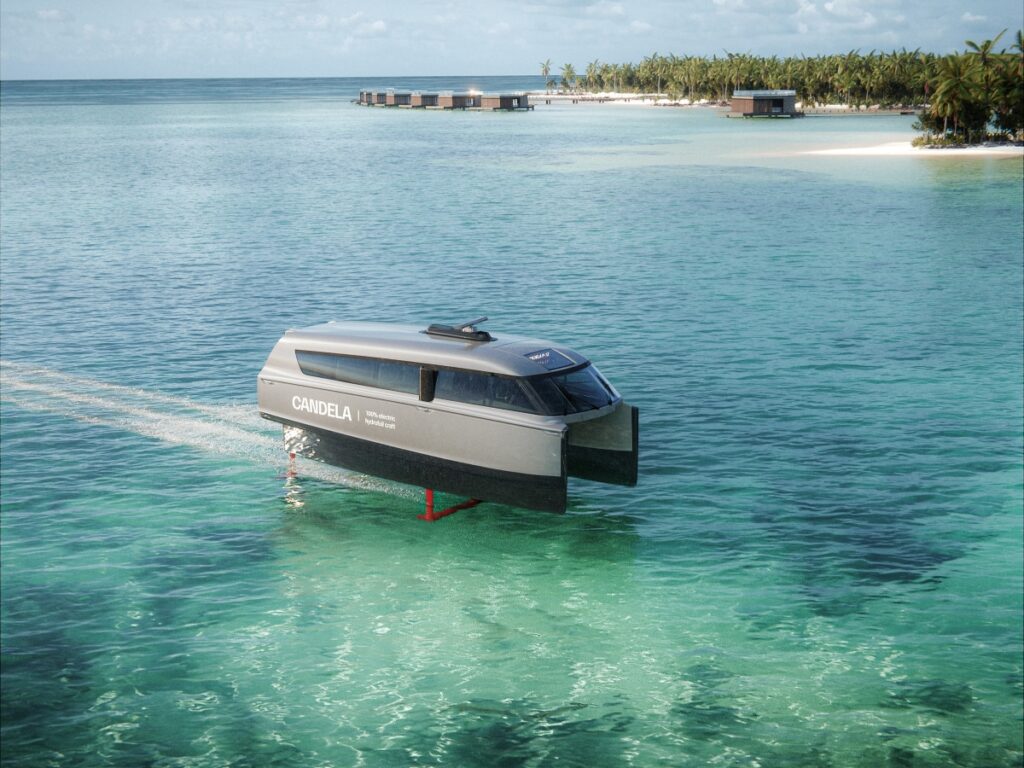
New fleet of electric boats will make resort transfers more sustainable – and luxurious
With petrol and diesel prices at an all-time high, innovators in electric vessel technology are reporting a surge in new inquiries from the Maldives. Resorts, guest houses and travel agents are currently having to swallow up the price difference for fossil fuel-powered speedboat transfers booked before the Iran war. This has hit them hard, but has led to increased demand for electric vessels as an alternative solution. Tourists and the environment, as well as properties and operators, look set to benefit.
Co-founder of ZEEV (Zero Emissions Electric Vessels), Unais Luthfy, said: “When regional instability puts pressure on fuel markets, the Maldives feels it quickly. In that context, electric vessels are not just a green alternative. They become part of a broader conversation about energy resilience, transport efficiency, and long-term national competitiveness.”
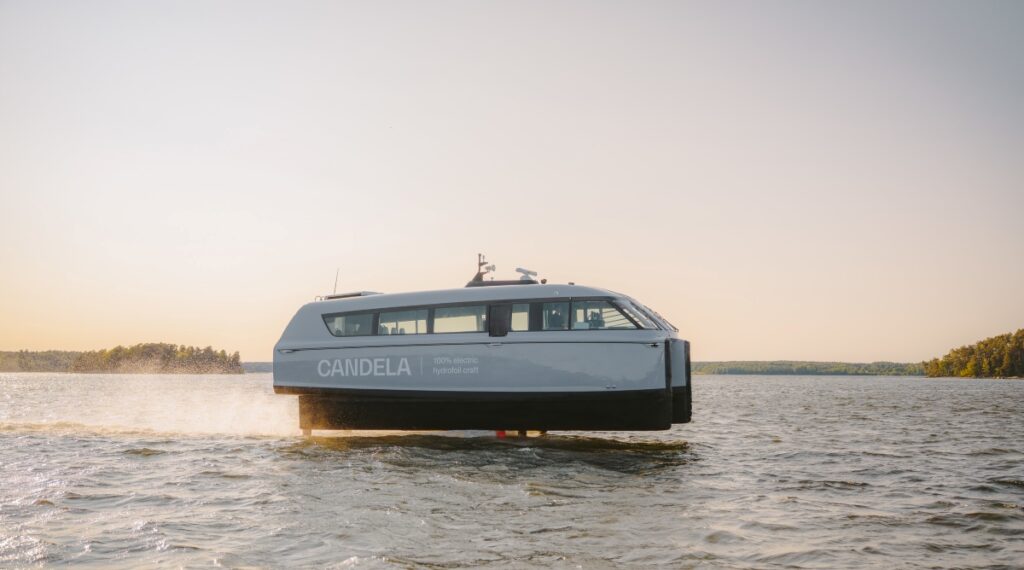
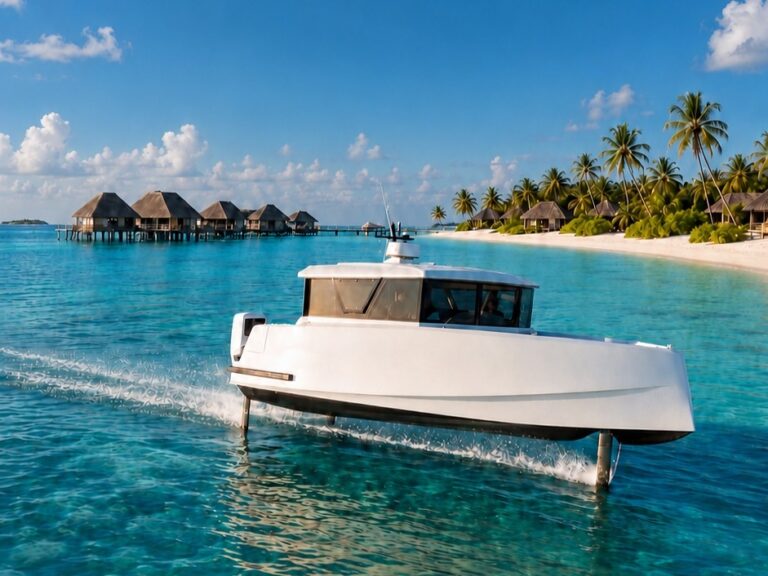
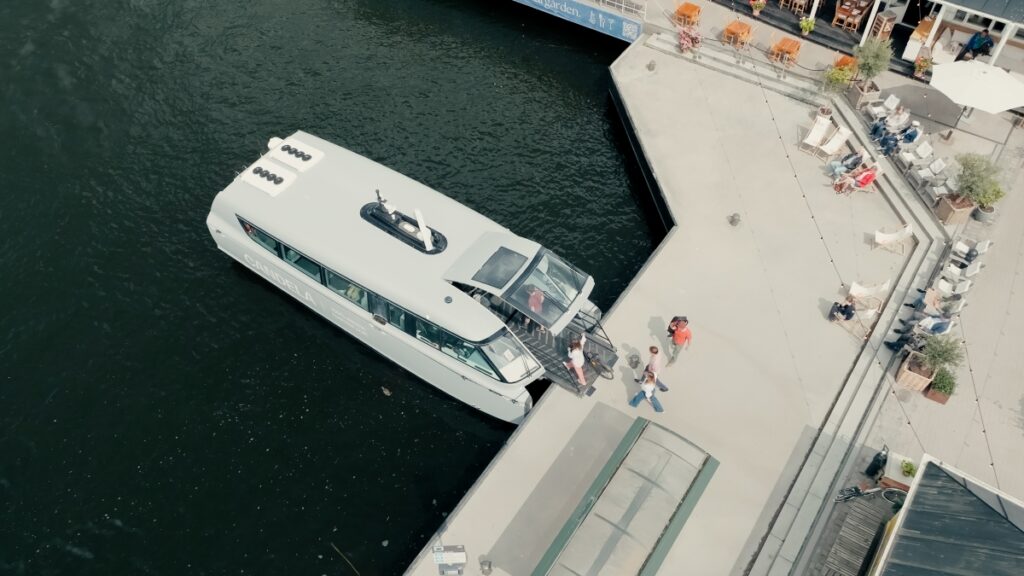
ZEEV is an official agent in the Maldives for Stockholm-based Candela, the world leader in hydrofoiling electric vessels. Maldivian transfer service Ego Shuttle will be launching the Maldives’ first and largest electric boat fleet in the second half of 2026, in partnership with Candela. The first wave of the rollout will be eight Candela P12 vessels in Male’ Atoll, and two at Dharavandhoo Airport in Baa Atoll. A further 10 vessels will follow.
Ego Shuttle’s founder and CEO, Shabir Walji, agreed the oil price hike is creating even more demand for Candela’s P-12 electric zero-emissions hydrofoils. “I believe our timing is good due to these price increases. With our turnkey service, resorts will not need to worry about fuel volatility anymore. The sustainability and on-board luxury are additional bonuses, together with a superior guest journey experience,” he said.
The Candela P-12 Business and Voyager models are thought to be the quietest form of high-speed water travel in history. They fly above the waves and are insulated from both motion and noise, which makes them perfect for the Maldives (where weather and sea conditions can change fast, particularly in channels). Instead of smashing through the waves, the computer-aided hydrofoil system, with underwater wings, raises the hull above the waves.
Candela’s bold claim of a smooth, seasickness-free ride will appeal to many tourists, as well as the ever-increasing appetite from luxury travellers for genuinely sustainable tourism. Fossil fuel-powered transfers have long been a fatal flaw in any resort promoting itself as genuinely ‘sustainable’.
The P-12 Business model is capable of seating 16 guests, while the P-12 Voyager can carry 12. Both have a cruising speed of 25 knots and a range of 40 nautical miles (just over the length of Male’ Atoll from north to south). Currently, the P-12 is the fastest and longest-range electric hospitality transfer vessel in serial production.
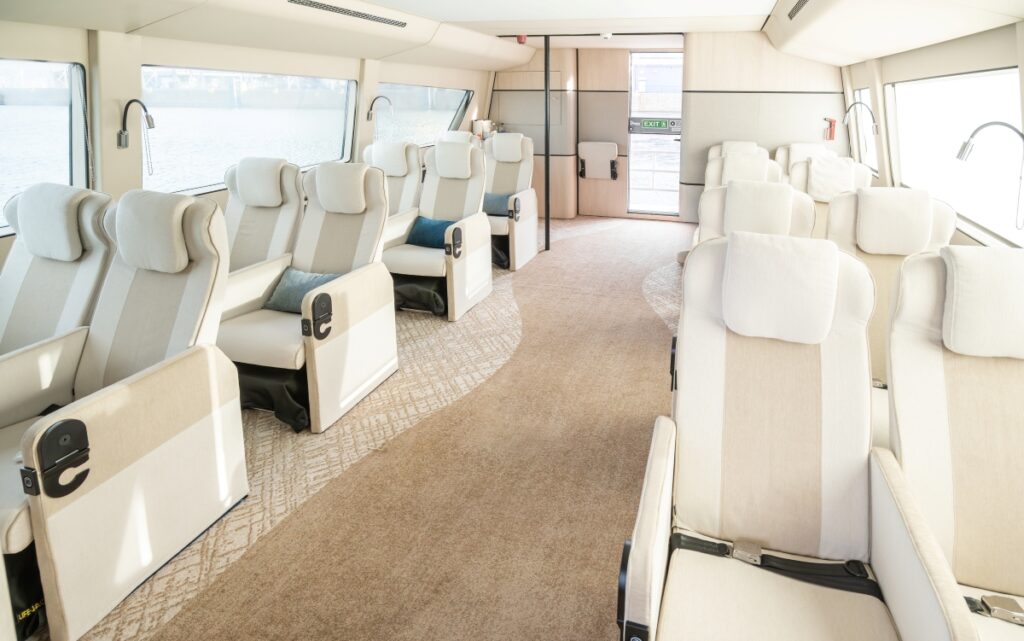
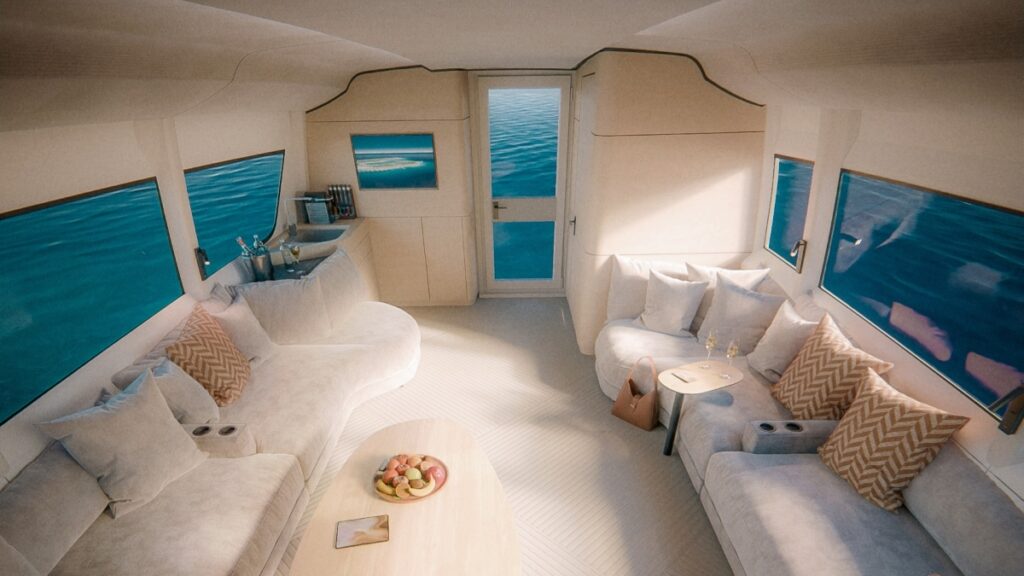
With soundproofed luxury interiors, the P-12s feature comfortable seats, thick carpets, Wi-Fi, a coffee bar, powerful air conditioning, and a spacious lavatory. Each seat features built-in USB-C charging ports and ample legroom. Passengers, including those with wheelchairs and strollers, board easily via a wide, stabilized, and adjustable ramp. That makes them much more accessible than most speedboats. During after-dark transfers, a ‘Star Ceiling’ ambient light canopy in the Business model provides dynamic lighting and enhances the atmosphere.
Initially, Ego Shuttle will provide 10 vessels for transfers between five-star resorts and Velana International Airport. “Our current focus is Male’ Atoll. Eight vessels will be in Male’ Atoll and we are planning to deploy two vessels at Dharavandu airport. As we get more vessels, then we can cover more areas,” said Shabir.
Meanwhile, Unais is continuing to work with Candela, as well as discussing with stakeholders an even wider range of electric vessels in the Maldives. They will encompass local island guest transfers, public transport like ferry routes, and service craft. “I am working on how electric marine transport can actually be deployed in a way that makes operational and financial sense,” he said.
“The transition will not happen through environmental messaging alone. It will happen when operators, investors, and public stakeholders see that electric vessels can deliver a better economic and operating model than diesel in the right applications.
“What makes the Maldives such a strong case is that many routes are predictable and repeated daily. That creates a real opportunity for electrification, particularly where operators are exposed to fuel cost volatility, imported diesel dependence, noise, maintenance burden, and increasing pressure to improve both guest experience and environmental performance.
“Interest in this space is clearly growing, especially as the discussion moves beyond sustainability, and toward long-term transport efficiency and resilience. The wider market is paying much closer attention to this space now.”
Watch our video summary of this article on YouTube Shorts (best viewed on mobile devices):
About the Author